Sequencing Words for Kids
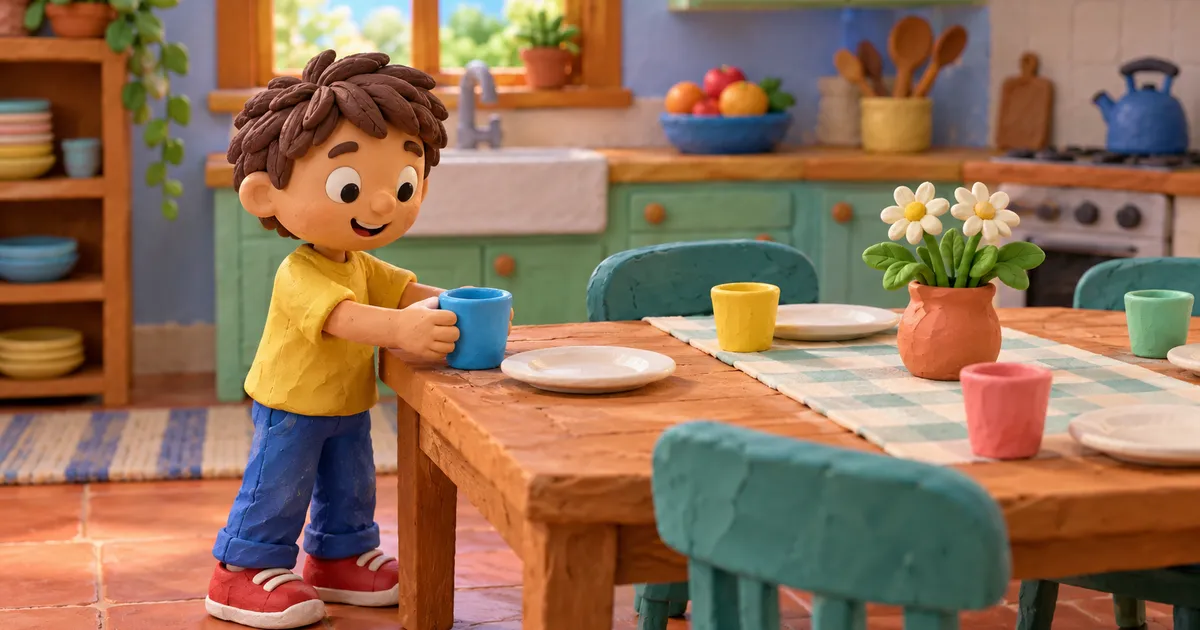
Sequencing Words for Kids show how events progress. First, next, then, after that, and finally help children explain routines, follow instructions, and retell stories. A child might say, “First, I put on my shoes. Then, I open the door. Finally, I leave for school.” The words work for science tasks, recipes, and stories. Children can begin with three steps and add precise links as their English grows.
📥 Sequencing Words for Kids
Practice using first, next, then, and finally to tell events in order.
Leave your email — we'll send the PDF to your inbox.No spam — the PDF plus one short reminder. Unsubscribe anytime.
What Children Need to Understand
Children need to see how sequence affects meaning. “Put on your socks, then put on your shoes” makes sense; reversing the steps does not. Begin with familiar actions.
Separate each event from its connector. In “Next, we mixed the flour and water,” mixing is the action. Next marks its position.
A multilingual child may already arrange events in another language. Show the sequence with objects, gestures, or pictures, then attach the English words.
For children, teach four positions first: beginning, middle, next, and end. Use three picture cards showing a familiar routine, such as washing hands. Ask the child to arrange the cards, describe each action, and add first, next, and finally. Then hide one card and ask what is missing. This makes the connector carry a clear job rather than becoming a word to memorize.
A common mistake is treating then as part of every sentence: “Then I woke up. Then I dressed. Then I ate.” Model alternatives and explain that connectors guide a listener through the progression. With four events, let the child retell the sequence twice—once with the cards visible and once without them. Accept different connectors when the progression remains clear, but correct a connector that contradicts the event position, such as using finally for the second step.
How the Grammar Works
When teaching Sequencing Words for Kids, place connectors at the sentence opening: “First, open the book. Next, find the picture. Then, read the sentence. Finally, close the book.” A comma after each connector separates it from the instruction.
First marks the start. Next and then move events forward. Finally introduces the last event. After that, later, and afterwards prevent repeated use of then.
Before and after connect two events: “Wash your hands before you eat” and “We played after we finished lunch.” A picture timeline can reveal the actual chronology when sentence order differs.
For children, teach one pattern at a time: connector + comma + action. Give four picture cards and ask the child to arrange them, say the sequence aloud, and then write four sentences. Keep the subject and tense consistent: “First, Mia mixes the flour. Next, she adds an egg. Then, she stirs the mixture. Finally, she bakes it.” Numbering the cards 1–4 helps children check that every sentence matches the visual sequence.
A common mistake is combining connectors that do the same job, as in “Next, then we eat.” Ask the child to choose only one. Children may also write “Finally” for any later event, although it should signal that nothing follows. Use a missing-step test: read a three-step sequence with one action removed and let the child insert “next” or “then”; reserve “finally” for the fourth and last card.
Rules and Useful Examples
Keep Sequencing Words for Kids manageable. Begin with one connector for the start, one or two for the middle, and one for the end. Add alternatives after the child can arrange events accurately.
Connectors must match the sequence. Finally cannot introduce a middle step, and first should appear only once in a short sequence. Three accurate links beat six confusing ones.
Examples by Age
For school-age kids, use three-step movements: “First, stand up. Next, clap twice. Finally, sit down.” Children can arrange picture cards and describe each card, focusing on meaning instead of spelling.
For school-age kids, Sequencing Words for Kids can support detailed retelling. Ask the child to arrange four pictures, explain the events, and add one detail per step. Activities based on describing pictures in English provide visible clues for connected sentences.
For school-age kids, progress from routines to explanations and narratives. A learner might describe an experiment, game, or project using to begin, after that, meanwhile, and in the end. Ask whether each connector marks sequence, time, or simultaneous events.
Common Mistakes and Practical Fixes
When Sequencing Words for Kids become repetitive, children may start every sentence with then. Keep the events but vary the links: “First, we made the dough. Next, we shaped it. After that, we baked it. Finally, we ate it.”
Children may skip a step the listener needs. “First, I got the paint. Finally, the picture was ready” omits the work. Ask, “What happened between those events?” Add one or two middle steps.
Children may confuse story chronology with sentence order. Draw an arrow and place each event on it. If “After I ate, I washed my hands” expresses the wrong sequence, rearrange the event cards before rebuilding the sentence.
Practice in Lessons and at Home
Practice makes Sequencing Words for Kids practical beyond worksheets. In LearnLink lessons, our online tutors can model a sequence, ask the learner to repeat it, then change one step. At home, sequence familiar tasks: packing a bag, making a snack, or preparing for bed.
Try a Mixed-up Sequence
Write four steps from a familiar routine on separate pieces of paper. Mix them, ask your child to restore the sequence, and explain it with first, next, then, and finally. Remove one card and identify the missing step. For older children, replace one connector with after that or before.
Keep practice brief. One accurate retelling reveals more than a long correction session. Connect home practice with class goals through questions to ask your child’s English teacher, including which sequence words the child understands and which require practice.
- Try sequencing three picture cards with children aged six to eight today.
- Practice first, next, then, and finally while retelling a favorite picture book.
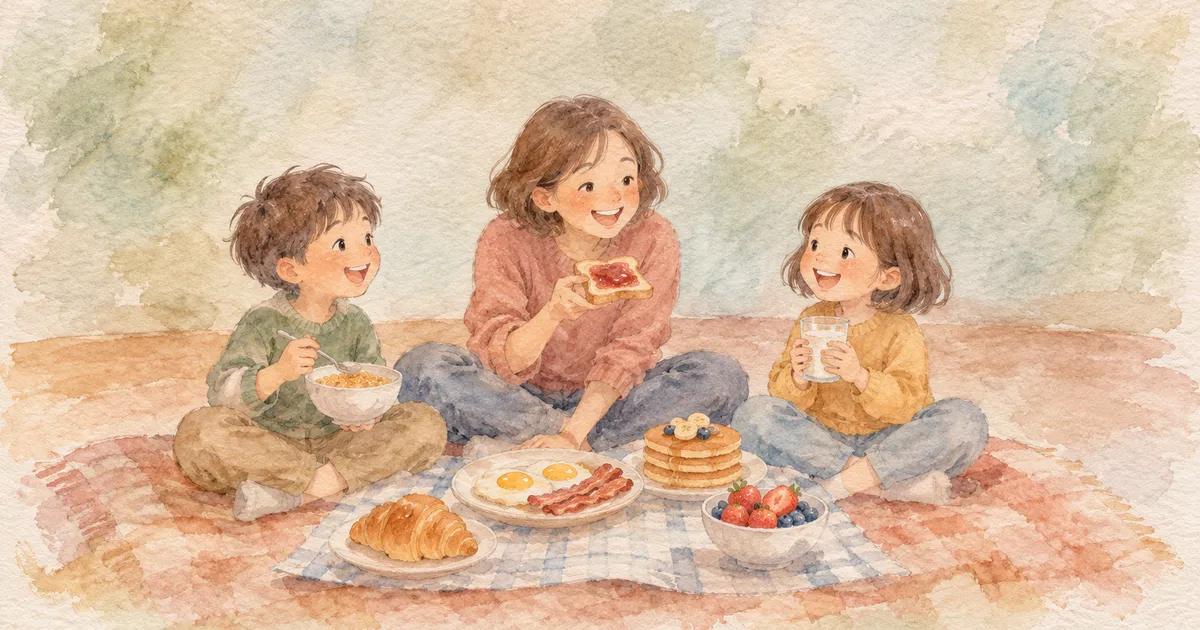
- Use Sequencing Words for Kids during a four-step breakfast routine.
- Ask your child to arrange five daily actions before bedtime.
- Repeat the activity twice, switching roles to strengthen recall and confidence.
When a word has several meanings or pronunciations, Cambridge Dictionary is a useful check before turning it into child-friendly examples.
Frequently Asked Questions
Which Sequencing Words Should a Child Learn First?
For most beginners, Sequencing Words for Kids should start with first, next, then, and finally. These words mark a beginning, middle, and end. Practise them with a familiar three- or four-step routine before adding after that, later, or afterwards.
Are “Next” and “Then” the Same?
Both words move a sequence forward and can often replace each other. Next points to the following step; then often appears in spoken stories and instructions. A child may use both to avoid repetition if the sequence remains accurate.
How Can a Multilingual Child Practise Sequence Words?
Let your child organise events with pictures or objects before forming English sentences. The child may discuss the order in another home language first. Supply the English connectors and model one complete sequence, linking new vocabulary to a known concept.
When Should Parents Correct Sequencing Mistakes?
Correct mistakes that change the order or disrupt understanding. If one connector repeats without obscuring meaning, let your child finish before suggesting an alternative. Rebuild the sentence together, then repeat the whole sequence to reinforce the correction.
- Start with a familiar three-step routine.
- Practice saying one connector before each action.
- Try a four-step retelling when the first sequence is clear.
Start your child's English journey today — book a trial lesson with LearnLink.
Stay updated on our latest tips and resources by following us on Instagram LearnLink.